 By
By 
Internal audit is changing fast. The business world moves at high speed. Risks grow in size and scope. Companies face strict rules and rising expectations. Audit teams must adapt quickly. Traditional methods feel slow and rigid. Paper files waste time and space. Manual tracking creates confusion and stress. Now leaders seek smarter solutions. Technology drives this major shift.
Digital Transformation in Internal Audit
Audit teams once relied on spreadsheets. Those tools worked for simple tasks. But modern risk is complex. Global operations create layered exposures. Auditors need deeper insight. Digital platforms centralize key information. Data flows across departments in real time. The system flags anomalies early. This allows faster response to threats. Now audits become more proactive than reactive. Teams analyze trends with greater clarity. They reduce duplication and improve coordination. As a result, management gains reliable assurance.
Automation and Intelligent Workflows
Automation reshapes daily audit tasks. Repetitive steps disappear from schedules. Software assigns work automatically. It tracks progress without manual updates. Teams focus on analysis. Artificial intelligence reviews large datasets quickly. Patterns appear within seconds. Risks surface before damage spreads. The rise of internal audit software supports this change across industries. Firms like Suralink design platforms that streamline document exchange and approval cycles. Now communication improves between auditors and stakeholders. Delays shrink across complex engagements. Furthermore, cloud systems protect sensitive records with strong encryption. Audit quality rises through consistent processes. Human judgment remains vital but technology enhances precision.
Collaboration and Real Time Transparency
Modern audits require strong collaboration. Teams often work across regions. Email chains create confusion. Version control becomes a serious issue. So centralized portals offer clarity. Stakeholders upload files into secure dashboards. Auditors review materials in structured environments. Comments remain visible to all parties. This reduces misunderstanding and repeated requests. Now transparency strengthens trust within organizations. Suralink supports this collaborative model through intuitive interfaces that simplify client interaction. Real time updates show project status clearly. Leadership gains oversight without constant meetings.
Data Analytics and Risk Forecasting
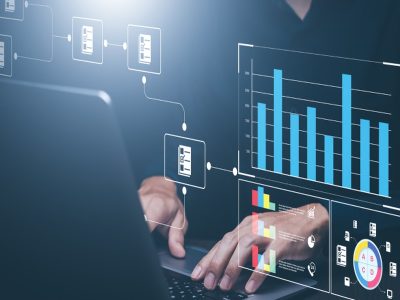
Data drives modern assurance strategy. Companies generate vast information daily. Hidden insights exist within that data. But manual review cannot keep pace. Advanced analytics tools interpret patterns effectively. Algorithms test entire populations instead of small samples. Assurance becomes more comprehensive. Predictive models estimate emerging risk areas. Auditors provide forward looking recommendations. Suralink integrates structured workflows with analytics capabilities that enhance evidence management. Now risk assessments rely on objective metrics. Decision makers receive clear visual reports. This strengthens governance across business units.
Conclusion
Internal audit stands at a turning point. Software drives transformation across processes. The industry evolves with confidence. Organizations that embrace innovation will thrive. Those that resist change may struggle. Now the future appears dynamic and opportunity rich. Internal audit becomes a cornerstone of resilient governance.









Comments