
 By
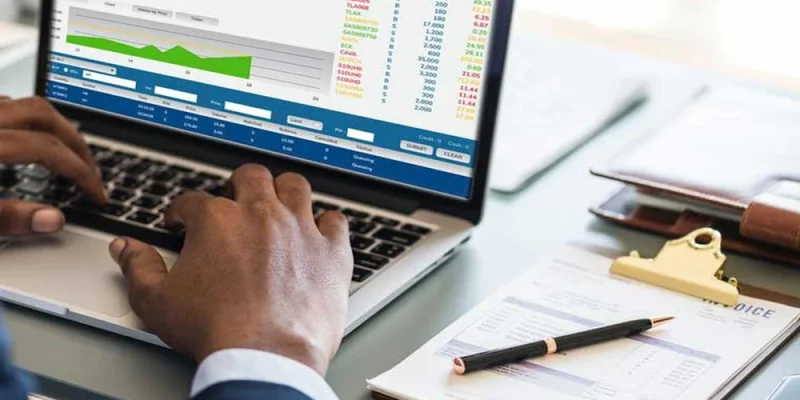
Know Where Your Money Goes
When you make sales for your online store, it can feel fun and thrilling, but when the money is deposited into your account, it doesn’t always mean you are making a profit. An online vendor ought to understand exactly where cash is being acquired from and where it is going. To understand the business, you are better off tracking all sales, delivery charges, platform fees, packaging costs, advertising costs, and other charges.
Keeping organized e-commerce accounting records gives online sellers a clearer picture of how their business is performing. By consistently recording income, expenses, inventory purchases, payment fees, refunds, and other transactions, sellers can identify financial patterns and catch potential problems early. A reliable accounting routine also makes it easier to understand profitability, manage cash flow, and prepare accurate records when financial or tax obligations arise.
It is important that these transactions are recorded so that one can keep track of them, rather than depending on memory or scattered receipts, with the aid of a simple spreadsheet or accounting application.
Don’t mix Business and Personal funds.
Many new sellers tend to make the error of using personal funds for business transactions. The same financial account for both would easily and quickly cause the records to get confusing. By keeping these funds in another account, it will be easier to determine the profit and loss of the business. It also makes the tax preparation and financial checks a lot less stressful.
The significance of revenues and profits
Revenue refers to the income earned by a business from the sale of its products, while profit is the excess amount of money that is not spent by a business. The ratio of these two numbers can be quite distinct. Suppose that the sales made by a web seller in a particular month are ₹ 1,00,000. Only ₹25,000 can be left after paying these costs for the products, packaging, shipping, platform fees, advertising, and more. The ₹1,00,000 is revenue; the ₹25,000 is the profit. With this knowledge, sellers can avoid the assumption that high sales are synonymous with a flourishing business.
Keep an Eye on Cash Flow
Even if a business is making a profit, if its cash is committed to other uses, it may find it is unable to pay its bills. That’s why cash flow is important. Online retailers must keep an eye on these three timing elements when making payments to customers, when marketplaces pay out and when they need to pay suppliers or services. These timings can avoid undesirable effects, particularly if there is a rush during demand peaks when a greater amount of stock has to be bought.
Track Inventory Carefully
Inventory is cash that rests on a shelf or in a warehouse or that waits to be shipped out. The sellers should maintain records of buying, selling, returning & the outstanding units. Keeping accurate inventory records will provide insights into what has quickly passed through the business and what is slowly settling into a corner of the storage space. They further assist in avoiding the overselling situation and in minimising the chance of ordering more stock than the company is able to sell.
Save Receipts and Records
Receipts, invoices, payment statements, shipping bills, and advertising invoices may all appear mundane when they are received, but they are extremely useful when looking for receipts or preparing taxes. Make folders for monthly or yearly records, which will save hours of searching later. Digital copies are especially advantageous with regard to online businesses.
Check on Numbers frequently.
Accounting should not be viewed by an online seller just before tax deadlines. You can identify issues early by reviewing them every week or month. Sellers can make better decisions with regard to their pricing, promotions, and future purchases by regularly examining sales, expenses, profit, cash flow, and inventory.





Comments